

Faculty Mentors
Prashanti Manda, Lecturer of Computer Science
Email: p_manda@uncg.edu
Dr. Manda’s research interests primarily include natural language processing, bioinformatics, and ontologies. Her research program at UNCG focuses on developing efficient and scalable methods to mine scientific literature and recognize key biological concepts described in relevant ontologies. Her work introduces novel deep learning algorithms that have been shown to outperform traditional machine learning algorithms at the task of ontology-based literature tagging. She is also interested in mining large volumes of scientific literature in various domains such as bioinformatics, and honey bee health, to understand and uncover trends of research topics. With funding from Microsoft Azure research in 2017, she is conducting a Big Data analysis of approximately 155 million publication records to quantify the impact of scientific research across domains. Dr. Manda’s prior work has focused on developing algorithms for data mining and data analytics applied to large data stores of biological ontology data.
Past Peer Mentors

Charles Crawford
I’m a Sophomore, B.S. in Chemistry, Research Concentration; my research is in Organic Synthesis. My hobbies include: music (Guitar, Mandolin and Synths), physics, math, sketching, sculpting, philosophy. In STAMPS, I’ve learned about other disciplines, and the importance of interdisciplinary work. I have also found what specific field I would like to go into when I graduate, and which path I will take as a chemist.
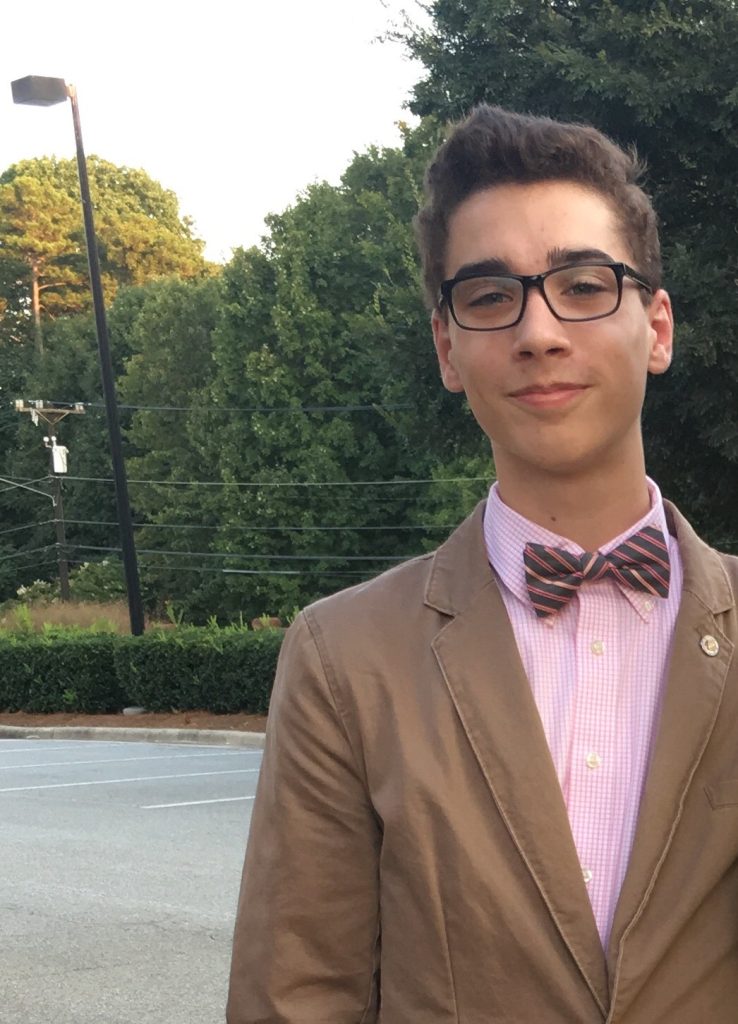
Ethan Underwood
Hi! I am Ethan Underwood and I’ve been in the STAMPS program since I entered UNCG. I am a junior studying biochemistry with the intentions of going to grad school to pursue a PhD or a dual MD PhD program. I am a member of the Bands of Sparta, a Spartan Guide, and a former orientation staff leader.
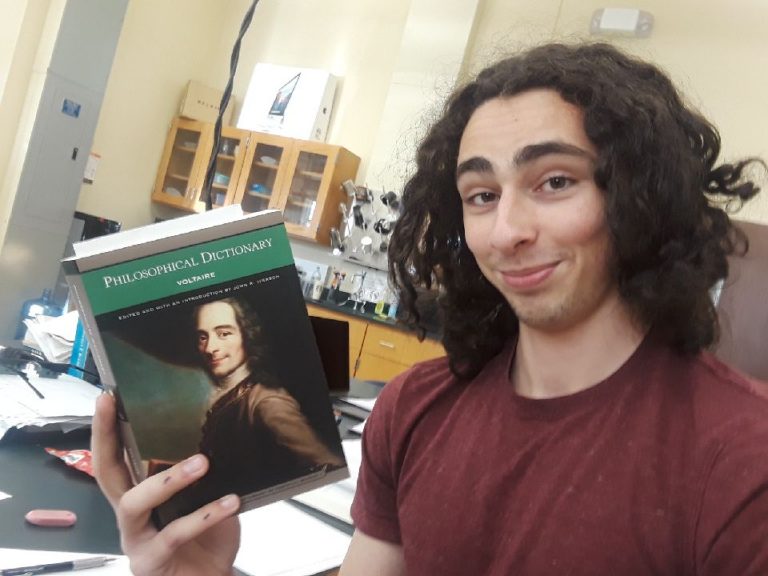
Michael Follari
My name is Michael Follari and I am currently majoring in Physics and planning to minor or double major in Computer Science. I enjoy programming websites and apps in my free time. STAMPS has shown me that my degree choice has real application’s and interesting research opportunities, along with showing me the power and importance in forming connections with faculty and peers while I have the opportunity.
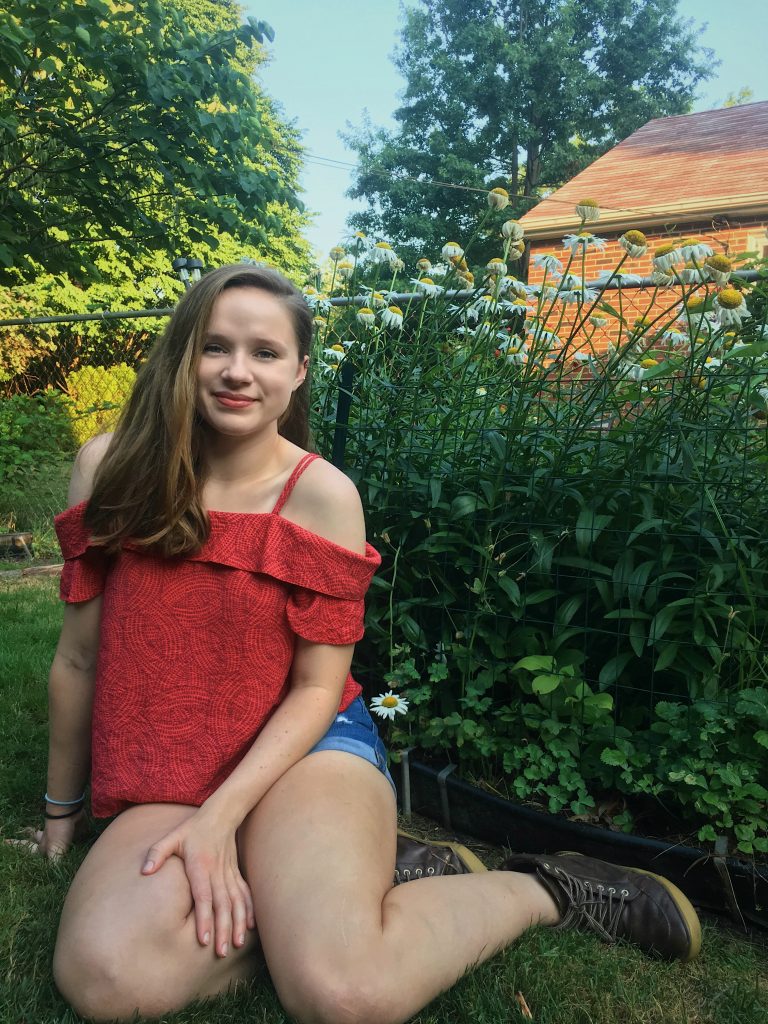
Isabel Pearce
My name is Isabel Pearce and I am a Biology major on the Pre-Med track. I joined the STAMPS program so that I could be more connected with research opportunities and also because I just really enjoy science. By being in STAMPS, I learned that being surrounded by people who love science only magnifies one’s interest and love for it. Outside of STAMPS I like to keep myself busy. I am in the Honors College, and I also play soccer on UNCG’s Women’s team.
Student Profiles
Chris Roberts
Major: Biochemistry
Current Research: My current research is extracting natural products from fungi and testing them against certain types of diseases such as cancer and malaria. I also have a project on growing the fungi with different types of light (ambient light, LED light, and no light) to determine if that has any effect on the natural products that fungi produce. I am currently researching with Dr. Oberlies Group.
Career Aspirations/Goals: My career goals are to continue researching and school and eventually obtain a degree and experience that allows me to get a job that will contribute to the scientific community in the area of drug discovery or medicinal chemistry.
Activities/ Interest: My interest includes almost any sport. I enjoy watching and playing sports. I am not actively on any teams, but I plan learning Brazilian Jiu Jitsu starting next semester. I also enjoy reading. My favorite book is called The Little Prince by Antoine de Saint-Exupéry.
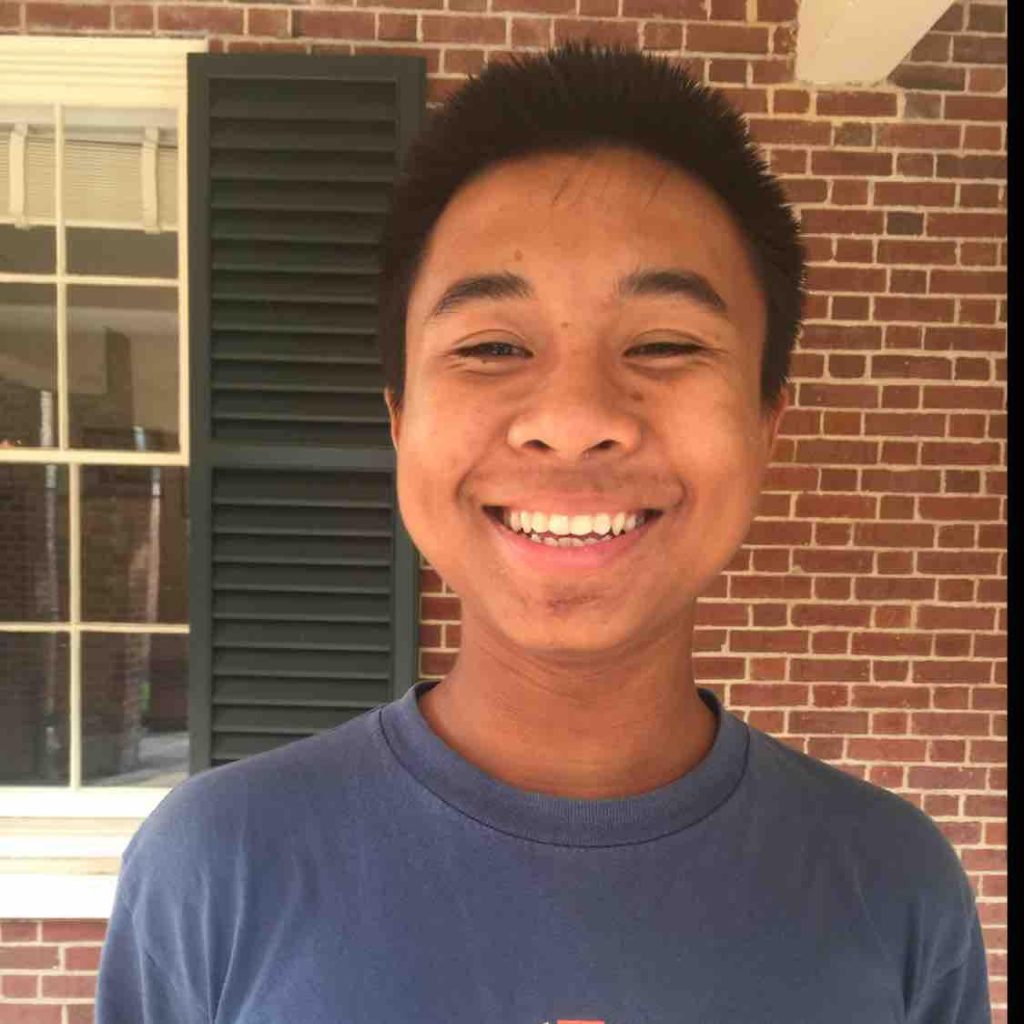
Beh Reh
Major: Biology
What is your goal in studying science? Medical school.
What does STAMPS mean to you? STAMPS has provided me with opportunities to participate in research by assigning a research mentor, providing directions for my future career. I have gained a state-of-the-art research experience at this early stage of my undergraduate education. Through this program, I have been able to develop numerical skills needed for entering graduate school and to outreach to the community to empower youth and high school children of my community on environmental exposures, health, and education.
What advice would you offer incoming students? Make sure to communicate with your research mentor and get involved in research in any possible ways as available. This will allow you to be creative, competitive, a logical thinker, and able to troubleshoot your weaknesses.
What is your research project about? I’m focusing on effects of perchlorate, an endocrine disruptor chemical, on primordial germ cells (PGCs, stem cells that produce sperm and eggs later in life) of Japanese medaka fish. Perchlorate is a manufactured chemical compound commonly used in munitions, fireworks, explosives, airbag initiators for vehicles, matches, fertilizers, chlorinated cleaning products, chewing tobacco, and rocket fuel. It is known to affect the thyroid function in vertebrates, including humans. However, the effects of perchlorate exposure on reproductive cells are less understood. I conducted experiments to examine the effect of various concentrations of perchlorate, including concentrations that humans and wildlife are exposed to, on the development of embryos and molecular alterations in the PGCs associated with developmental defects.
What have you found in your research? I found that perchlorate affects germ cell integrity, causes abnormal migration of PGCs, and induces embryo mortality. I also found that co-treatment with vitamin C can ameliorate perchlorate-induced developmental defects including mortality.
What is the significance of your research? Understanding the effects of perchlorate on PGCs allows us to understand what level of damage human PGCs exposed to this chemical can sustain. Active-duty military are exposed to this chemical in the theater of war and public exposure can occur in communities adjacent to military training grounds.
Where have you presented your research? I’ve presented this finding at the Triangle Consortium for Reproductive Biology, National Institute of Environmental Health Sciences in March 2021, and UNC-Greensboro Lloyd International Honors College Symposium, UNCG in March 2021. I also have registered for presentation at UNCG URSCO in April 2021 and an international conference (North American Society of Comparative Endocrinology meeting) to be held on May 25-27, 2021. I will also present a poster at the annual meeting of the Society of Environmental Toxicology and Chemistry in Portland, Oregon in November 2021. Additionally, I am writing a manuscript to submit to Aquatic Toxicology Journal for publication with me as a lead first author.
Did you have any difficulties with your project? I did not run across any difficulties because my mentor, Dr. Bhandari, strategically guided me through the entire process of the project (from the synthesis of ideas through analysis of data) and graduate students at the Bhandari Laboratory taught me essential techniques for molecular analysis of my research samples.
How has undergraduate research been beneficial to you? This is extremely important for undergraduate students like me as we join the university like clay and with all these research experiences we emerge as a fully finished and functional pot.
What was the most surprising thing about undergraduate research? I am surprised to see myself so confident in what I do and capable of public speaking. Dr. Bhandari and the entire research group have nurtured me in various aspects of my scientific life, such as creative thinking, scientific reasoning, troubleshooting, manuscript preparation, oral presentation, and group discussion. I have learnt a lot about the importance of environmental and human health as well as research methodologies and science communication.